


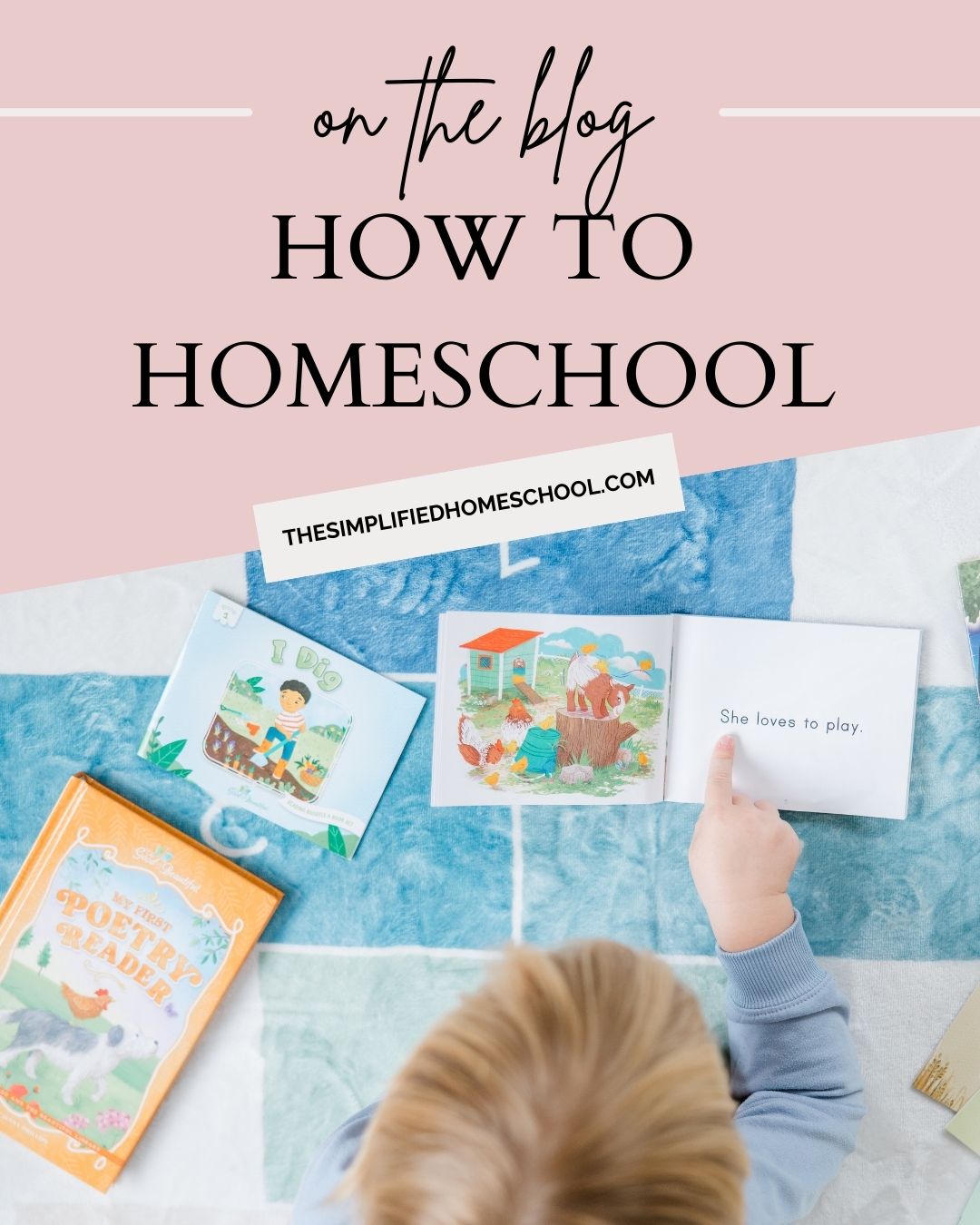
How to Homeschool
Welcome!! I am a homeschool mom of three, and I remember the days when I was first wondering how to homeschool. I was actually an elementary teacher at the time, and I had no intention of homeschooling. But my husband and I became foster parents about a year into our marriage, and our foster daughter was in kindergarten. Every day was a struggle, because the school system just was not what she needed. After endless meetings with the principal and just constant struggles, I knew once she was adopted we needed to make some changes. Even with my teacher background, learning how to homeschool was really hard! So whether you are ready to pull your kid out of a system that isn’t serving them, or you are preparing for your little one to reach school age, I hope this is an encouraging starting point.
1. Start With the Legal Basics
Before you think about curriculum or schedules, take time to understand your state’s homeschool requirements. This is not the most exciting part, but it is an important one!
Most states require some form of notice like a letter of intent, record keeping, or evaluation like a test or portfolio at the end of the year. Once you know what applies to your family, you can stop carrying the uncertainty and move forward with confidence. Check on any scholarships or aids your state might have as well! In West Virginia and many other states there are scholarships for homeschool materials.
2. Start with a routine when learning how to homeschool
One of the most common mistakes new homeschoolers make is to focus only on curriculum without prioritizing their daily routine.
Take time to think about when learning will realistically happen in your day. Are mornings calmer, or do afternoons work better? Do you need to work around naps, work schedules, or other responsibilities?
Homeschooling does not require a strict schedule, but it does benefit from a predictable routine. Knowing when learning happens and when it does not makes the day feel more manageable for everyone. Just like you spend the first few weeks going over rules and procedures with kids in a public school setting, you need to make sure kids know the routine and what your expectations are. I have tons of blog posts on scheduling if you need help with this!
3. Choose Simple Curriculum You Can Actually Use
Curriculum should support your homeschool, not run it. Especially in the beginning, simple and open-and-go options are often the best place to start!
You do not need to buy everything at once. You do not need the most popular option. You need something that feels doable for you to pick up and use consistently.
It is okay to start small. You can always add more later. Starting with too much often leads to overwhelm, not confidence.
We really love The Good and The Beautiful as a starting point because it is just open and go with zero prep!
4. Set goals for other types of learning
Learning does not only happen during formal lessons. Reading together, audiobooks, building, cooking, helping around the house, playing, and following interests all matter, and it’s good to look at ways to encourage learning in these ways together!
When you begin to see learning throughout the day instead of only at a table, homeschooling becomes much more sustainable. These life skills are so important and such a great way for you to take advantage of all the benefits of homeschooling!
5. Give Yourself Room to Learn as You Go
You do not need to have everything figured out before you start. We have changed so much about our philosophy of education as our family grows and as we learn together. You will change routines and curriculums many many times, and that’s just a part of the process! Done is better than perfect in the beginning as you are jumping in.
A simple way to learn how to homeschool:
No pressure at all, but if you need someone to literally walk you through and help you apply what you need figure out how to start homeschooling, I have created the Simplified Homeschool Starter Course just for you! Sharing everything I WISH I had when starting out our homeschool journey.
The course helps you build a realistic routine, choose curriculum that fits your family, and focus on what actually matters in the early days of homeschooling.
If you are ready to start but want a clear path forward, the Starter Course was made for you and I’d love to help! 🙂
Happy homeschooling,
Katelyn

View comments
+ Leave a comment