


Best Kindergarten Homeschool Curriculum: What We’re Using and Loving
When you start looking for the best kindergarten homeschool curriculum, it can feel overwhelming. There are so many options, opinions, and recommendations. I was just talking with a friend about how back when we were homeschooled, our moms could choose between Abeka, Bob Jones, or Saxon– any other former homeschoolers remember the terrors of Saxon math?! Now, we have the opposite probelm. There are almost unlimited resources at our fingertips. SO many curriculum options and every time you get online you see people either raving or criticizing every option. When choosing the best kindergarten homeschool curriculum what matters most is finding something that is easy to use, adaptable, and sustainable for your family. This is what we are using and loving for kindergarten right now, and why it works well for us in this season!
Kindergarten feels especially important to approach with flexibility. At this age, I want learning to feel approachable and manageable. I want our materials to be simple to use with a lot of time for learning through play and life skills. That means choosing curriculum that is open-and-go and easy to adjust rather than something that requires constant prep. I still remember the dreaded Sunday afternoons of lesson planning for hours as an elementary school teacher, and that is just not how I want to spend my weekends a homeschool mom.
This is what we are using and loving for kindergarten right now, along with how it fits into our actual schedule!
Our mornings start slowly, and that is intentional. After breakfast my kindergartener usually wants snuggles and to watch a story, or he will go ahead and start playing. We often watch a short Bible story together (big fan of Veggietales and Minno!), and then he moves into independent play, plays with baby sister, or helps with chores like unloading the dishwasher or putting away his laundry.
This part of the day matters. It sets the tone and gives him space to ease into the day without rushing straight into focused work. We have tried to jump into bookwork and I notice a huge difference in his mood and attention span if he doesn’t have plenty of time for free play first, and there are so many studies that show how important play is for kids that age’s brains!
Our main learning time begins when baby sister goes down for her nap. I know this routine will have to be flexible and will adapt as her schedule changes, but this has been working well for us! If you have other littles and can’t work around naps, you can also encourage indpendent play with your others or set up other activities during your one-on-one instruction time.
Most days we start with a few minutes of reading time while I read my Bible and he will flip through books or color.
After reading, we move into our core curriculum.
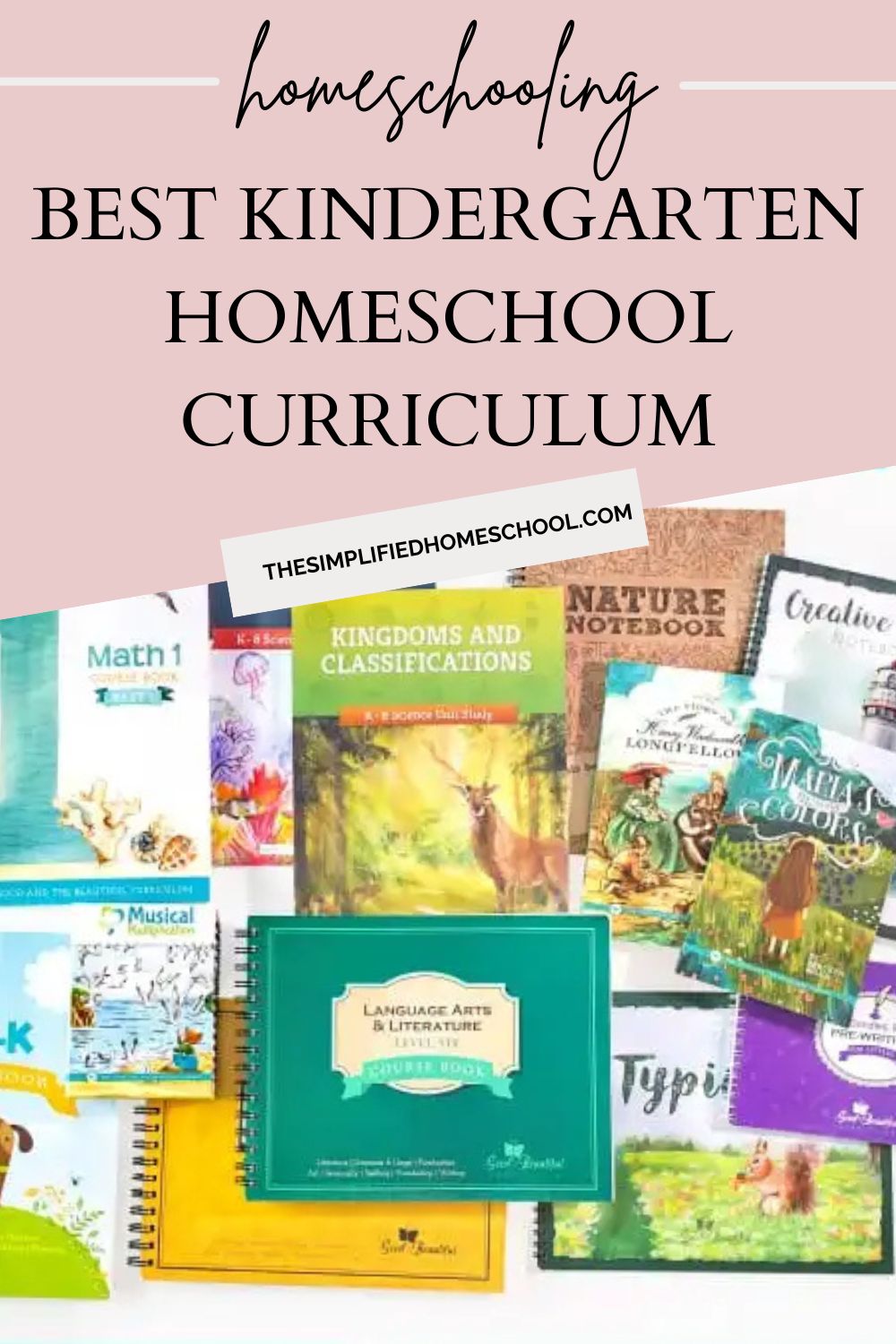
For language arts, we use The Good and the Beautiful Kindergarten Language Arts. It has been a great fit because it is gentle, engaging, and truly open-and-go. We often supplement with a read aloud if he finishes quickly.
For math, we use The Good and the Beautiful Kindergarten Math. The lessons are simple and hands-on, and the pace works well for this stage. We do often supplement with a little extra whiteboard practice of the skill or something hands-on to reinforce, but I love that the lessons are short and simple for this age.
For phonics, we supplement as needed. We have used Teach Your Child to Read in 100 Easy Lessons and Secret Stories, both of which have helped reinforce phonics without creating daily battles.
For handwriting, we keep things very simple with just a little work from a handwriting book. We also encourage a lot of coloring time for those fine motor skills!
This learning block usually takes less than an hour. When we are finished, he can choose to color, draw, listen to books on his Yoto, build, or read until lunch.
After lunch, he does independent work on Acellus. We primarily use Acellus for science and history, but he has also chosen to work ahead in math and reading. This is not something every kindergarten family needs to do, but it fits him well. I appreciate that Acellus provides daily goals and encourages independent learning!
Once he finishes his independent work, he moves into creative stations. These activities are open-ended and encourage creativity and independence. Some days he is drawing or building. Some days he is making things out of cardboard or working on puzzles. Sometimes he does these activities with his older sister, and sometimes he prefers to work alone. Most often they are coming up with a project together using random supplies and create something together!
Creative stations is where problem-solving, creativity, and confidence grow, and it allwos them to keep working independently while I get other things done.
It is also important to share that this schedule reflects three days a week in our home. On the other two days while I have heavy work time and Dad is in charge, our routine is much looser. Those days include more play, more flexibility, and a stronger focus on life skills. That often looks like working on his bread business, cooking together, helping with chores, and being involved in the everyday work of our home.
Those days matter just as much as our more structured ones. Life skills are part of homeschooling, not something separate from it.
Adapting your homeschool does not mean buying a new curriculum every time something feels hard. It is easy to feel pressure to switch programs after watching someone else’s routine online. Sometimes a small adjustment is enough. Shorter lessons, a different time of day, or more independent work can make a big difference!
Kindergarten is about building habits and just fostering a love of learning in all parts of the day!
Kindergarten Homeschool Day at a Glance with the best kindergarten homeschool curriculum:
7:30–8:30 → Breakfast
8:30–10:00 → Watch a story, play
10:00–11:30 → Learning time with Mom
• Reading (independent)
• Language Arts (The Good and the Beautiful K)
• Math (The Good and the Beautiful K)
• Handwriting/coloring
12:00 → Lunch
12:30–1:30 → iPad work (Acellus for science/history + optional math/reading) (extra learning app time on Fridays, usually IXL or Khan academy kids)
2:00–3:00 → Creative stations (art, building, projects with big sister)
✨ Evenings: sports, theater, family walks, family games, outside play, playtime with siblings, chores, helping with dinner, and read-alouds.
If you are just starting out and want help setting up a simple and realistic homeschool, I created a free Simplified Homeschool Starter Checklist that walks you through ten doable steps to feel prepared and confident before your first homeschool day.
Happy homeschooling,
Katelyn
Need more tips? Check these out:

View comments
+ Leave a comment